Systems & Research
Synthetic Data Pipelines for Digital Humans
A rendering pipeline in Unreal Engine that produces labeled, multi-view video of digital humans for training models that reconstruct people from several cameras.
Custom engineering
Off-the-shelf products stop at the edge of your workflow. The remaining piece is usually the one that touches your data, your hardware, or your engine, and it has to be typed, tested, and documented to survive handover.
For teams that need the part no product covers: a web app, an integration, a real-time service, an engine plugin, or a rendering pipeline, delivered so their own people can run it.
Custom engineering runs under every area: the web apps, integrations, and real-time servers each project needs.
Worked example
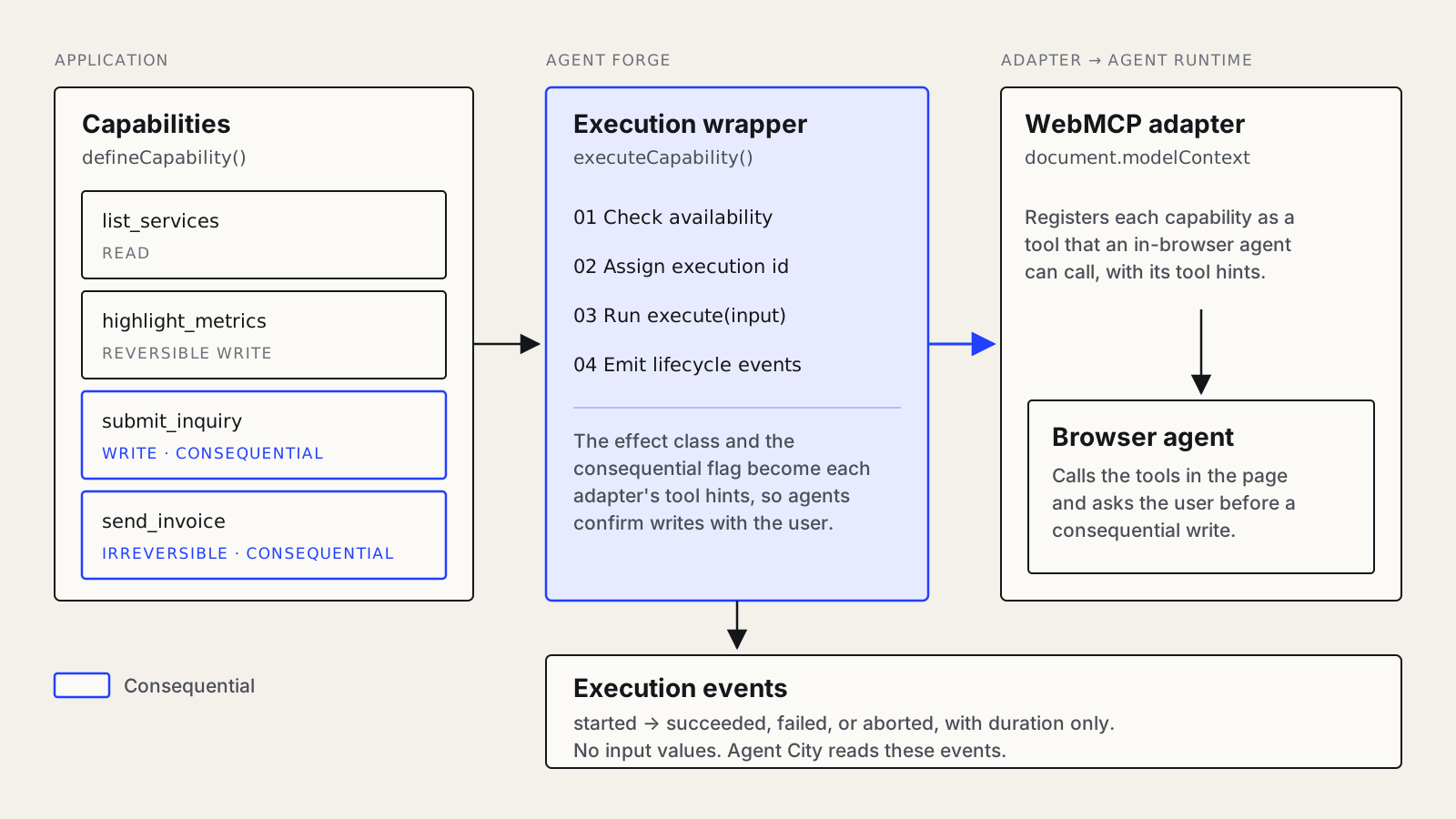
Agent Forge is an open-source TypeScript library we wrote so a web app can offer its real operations to AI agents as typed tools. A developer defines each operation once: a stable id, a description, a JSON Schema for input, and an effect class from read to irreversible write. A consequential flag marks the actions that need a person to confirm.
The WebMCP adapter registers each capability as a tool in the browser, and an execution observer reports metadata-only lifecycle events, never input values. Agent City, WebMCP Replay Room, The Rectangle’s website, and this site all use it.
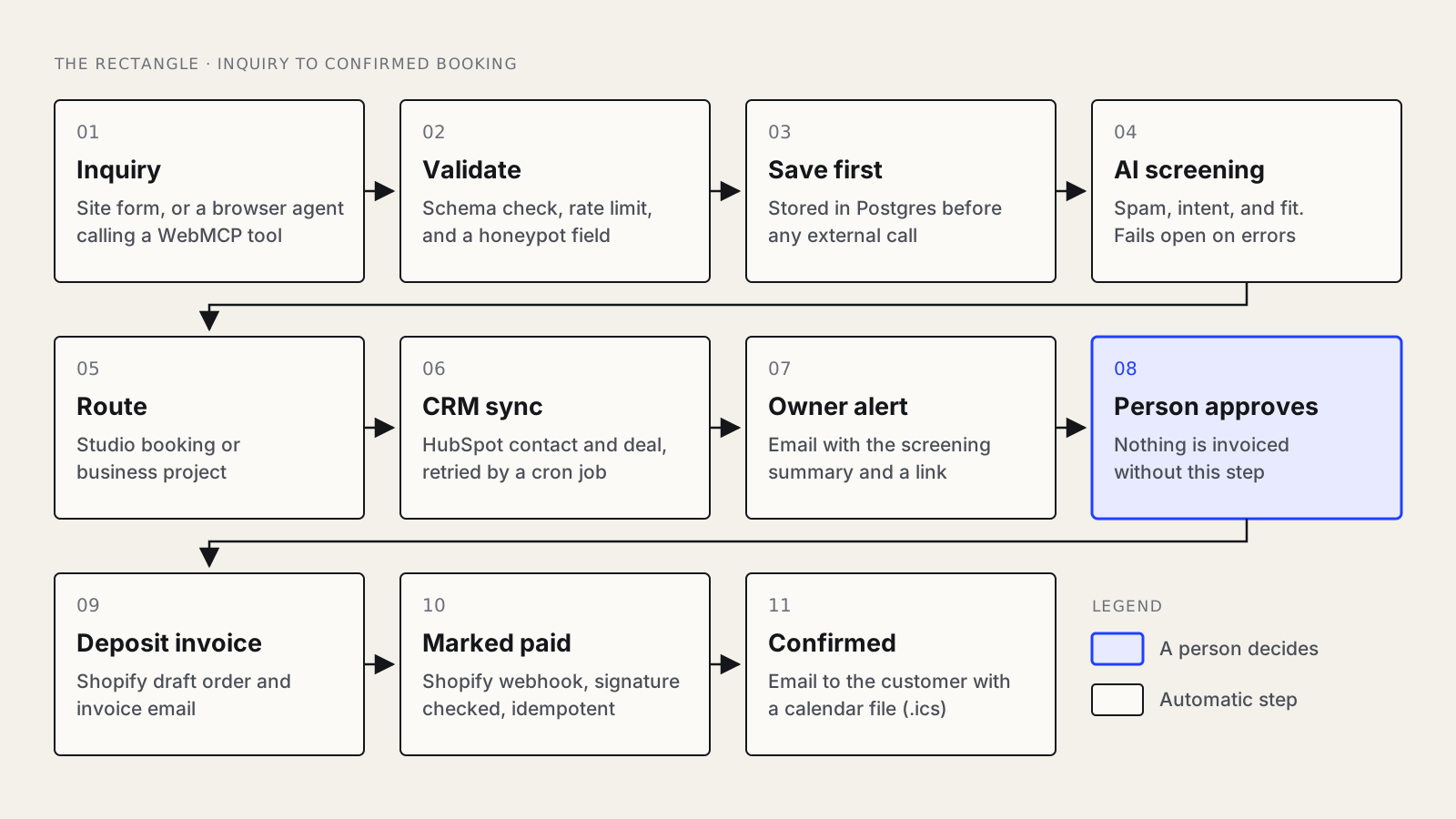
are the server-rendered TypeScript, Vue, and Nuxt apps on Postgres that most engagements start from.
gives any of them typed tools for agents, with consequential actions flagged.
is the pattern for our real-time services: Rust, server-authoritative, load-tested and fuzzed.
Server-rendered apps in TypeScript, Vue, and Nuxt, backed by Postgres.
Connections between the systems you already run, with retries, validation, and logs.
Low-latency services in Rust and C++, such as multiplayer servers and device control.
Unity and Unreal applications, from gameplay frameworks to cross-device XR.
Multi-camera rendering, ground-truth passes, and render-farm orchestration in Unreal Engine.
Serverless and container deployments with monitoring and spending limits from the start.
Projects
Systems & Research
A rendering pipeline in Unreal Engine that produces labeled, multi-view video of digital humans for training models that reconstruct people from several cameras.
Systems & Research
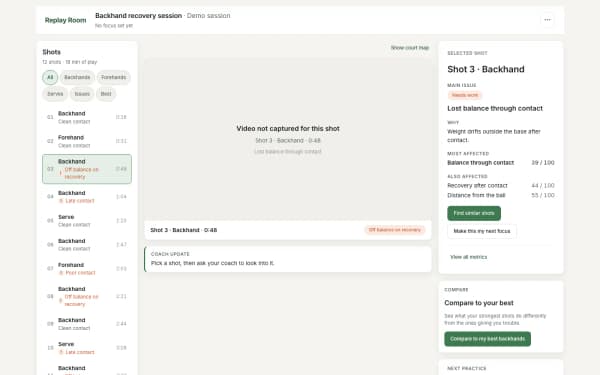
A tennis replay workspace where a person and a browser agent review shots together through six reversible Agent Forge capabilities.
Systems & Research
An open-source Unreal Engine plugin for building replicated, data-driven games on the Gameplay Ability System. GlitchWalker and Collectors Edition are built on it.
Where to start
We build one real user flow end to end through your stack, or run an integration spike between the two systems that matter most, and write up what a full build would take.
Next step
Scope an engineering projectGet in touch
Describe it in a few sentences. You get a draft brief to review before anything is sent.